Electricity powers nearly every aspect of modern living, from lighting and climate control to entertainment systems and essential appliances. Because electrical systems operate quietly behind walls and ceilings, many homeowners rarely think about them until something goes wrong. Yet even minor electrical issues can signal deeper problems that pose safety risks or lead to costly damage. Understanding common electrical problems and knowing when to call a professional electrician is crucial for protecting your home, your family, and your investment.
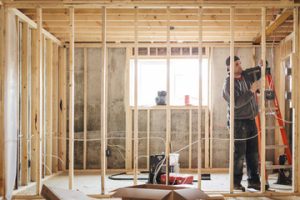
Electrical systems are designed to deliver consistent voltage safely throughout a property. Over time, however, wiring components age, connections loosen, and demand increases as households add more devices. These changes can create stress on circuits and expose weaknesses in older installations. Recognizing early warning signs allows homeowners to address problems before they escalate into electrical fires, equipment failures, or dangerous shock hazards.
One of the most frequent electrical problems homeowners encounter is a circuit breaker that trips repeatedly. Circuit breakers are safety devices designed to shut off power when a circuit becomes overloaded or short-circuited. Occasional tripping may occur when multiple high-powered appliances operate simultaneously, but persistent tripping indicates a deeper issue. It could mean the circuit is overloaded beyond its intended capacity, wiring insulation has deteriorated, or a connected appliance is malfunctioning. Resetting the breaker without investigating the cause is not a long-term solution. When breakers trip consistently, it is time to consult a professional electrician who can perform load calculations and inspect wiring integrity.
Flickering or dimming lights are another common concern. While a loose bulb may sometimes be the culprit, persistent flickering often points to loose wiring connections or voltage fluctuations. If lights dim noticeably when large appliances start running, the electrical panel may be struggling to manage demand. In older homes, outdated service panels may not be equipped to handle modern electrical loads. An electrician can assess whether a panel upgrade or circuit redistribution is necessary to maintain stable power distribution.
Outlets that feel warm to the touch, emit a burning smell, or display discoloration are serious warning signs. These symptoms may indicate overheating due to loose connections, overloaded circuits, or deteriorating wiring. Heat buildup behind walls can lead to electrical fires if left unchecked. Homeowners should never ignore burning odors or visible scorch marks near outlets. Immediate professional evaluation is essential to prevent further damage and ensure safe operation.
Another frequently reported issue is the presence of dead outlets. Sometimes the solution is simple—a tripped ground fault circuit interrupter outlet elsewhere in the home. However, if resetting the GFCI does not restore power, the problem may involve a broken conductor, faulty wiring, or a damaged receptacle. Because diagnosing dead outlets often requires testing live circuits, homeowners should avoid attempting repairs without proper training and equipment.
Older homes may also experience aluminum wiring complications. Aluminum wiring was commonly used decades ago, but has since been linked to higher fire risks due to expansion and contraction that can loosen connections. If your property contains aluminum wiring, it is important to have it evaluated by a qualified electrician. Professional solutions may include specialized connectors or partial rewiring to improve safety and compliance with current standards.
Electrical surges represent another hidden threat. While dramatic lightning strikes can cause severe spikes, most surges originate from internal sources, such as large appliances cycling on and off. These micro-surges gradually degrade sensitive electronics, shortening their lifespan. If devices fail prematurely or power strips frequently trip, it may indicate unstable voltage levels. Installing whole-home surge protection can help safeguard valuable electronics and appliances from cumulative damage.
In addition to these common problems, homeowners should be aware of signs that demand immediate professional intervention. These include:
- Buzzing or crackling sounds coming from outlets, switches, or panels. Electrical systems should operate silently. Unusual noises may signal arcing or loose connections.
- Frequent light bulb burnout. Rapid burnout may indicate excessive voltage or poor wiring connections.
- Sparks when plugging in devices. Small static sparks can occur occasionally, but large or repeated sparks require inspection.
- Shock sensations when touching appliances or switches. Even mild shocks indicate grounding issues that must be addressed promptly.
Electrical panels themselves can present problems, particularly in aging homes. Corrosion, rust, or visible damage inside a panel can compromise safety. Additionally, some older panel designs may no longer meet modern safety expectations. The National Fire Protection Association publishes the National Electrical Code, which establishes guidelines for safe electrical installations and upgrades. While not every older panel requires replacement, significant renovations or capacity expansions often necessitate updates to meet current code requirements.
Overloaded circuits are increasingly common as households add smart devices, home offices, and entertainment systems. Extension cords and power strips are often used as temporary solutions but can become permanent fixtures, increasing fire risk. If outlets are insufficient for daily needs, installing additional circuits or receptacles is a safer alternative. A professional electrician can design a balanced distribution system that accommodates modern usage patterns without overburdening existing wiring.
Another area of concern is outdoor electrical components. Exterior outlets, landscape lighting, and pool equipment must be properly weatherproofed and grounded. Exposure to moisture increases the risk of short circuits and electrical shock. If outdoor outlets frequently trip or show signs of corrosion, professional inspection is recommended. Specialized equipment and protective enclosures ensure compliance with safety standards and protect against environmental damage.
Home renovations and DIY projects can inadvertently create electrical hazards. Improperly installed fixtures, mismatched wire gauges, or unsecured connections may not show immediate symptoms but can pose long-term risks. Even well-intentioned upgrades, such as ceiling fan installations or recessed lighting additions, should be evaluated to ensure they integrate safely with existing circuits. When in doubt, consulting a licensed electrician provides peace of mind and prevents code violations.
It is important to distinguish between minor troubleshooting and complex electrical work. Homeowners can safely perform limited tasks such as replacing light bulbs or resetting breakers. However, any work involving wiring, panels, or new circuit installations should be left to trained professionals. Electricity is unforgiving; mistakes can result in severe injury, fire, or extensive property damage.
Preventive maintenance plays a significant role in minimizing electrical problems. Scheduling periodic inspections allows electricians to identify loose connections, aging components, and emerging load issues before they escalate. In homes over several decades old, routine evaluations are particularly valuable. Modern appliances and technology place demands on electrical systems that were not anticipated during original construction. Proactive upgrades ensure that infrastructure keeps pace with contemporary usage.
Knowing when to call a professional electrician ultimately comes down to recognizing risk. If an issue involves repeated breaker trips, unexplained power loss, burning odors, visible damage, or shock sensations, immediate professional assessment is warranted. Delaying repairs may reduce short-term inconvenience but increases long-term danger and expense.
Electrical systems are the backbone of safe, functional homes. While minor issues may appear manageable, underlying causes often require expert diagnosis. Professional electricians bring technical knowledge, specialized tools, and familiarity with evolving safety codes to every job. Their expertise ensures that repairs and upgrades are performed correctly, protecting both property and occupants.
In conclusion, common electrical problems range from nuisance issues like flickering lights to serious hazards such as overheating outlets and overloaded panels. Recognizing warning signs early and seeking professional assistance when appropriate is the most effective strategy for maintaining safety and reliability. Rather than viewing electrical repairs as reactive expenses, homeowners should consider them proactive investments in long-term protection. By staying attentive to system performance and calling a professional electrician when necessary, you safeguard not only your home’s infrastructure but also the well-being of everyone who depends on it.