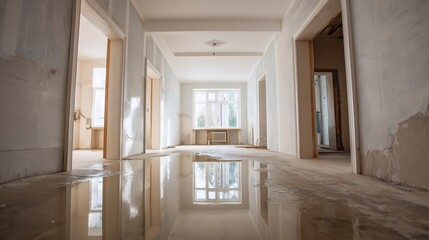
Water has a quiet way of causing chaos. It can slip through a small crack, seep beneath floors, and linger behind walls without immediate notice. By the time the signs appear, the damage can feel overwhelming. Stains spread, materials weaken, and the air may even carry a musty odor that signals deeper issues.
Understanding Salt Lake Water Damage Repair process is essential for regaining control and restoring a property to its original condition.
Understanding the Impact of Water Damage
Water damage is not always as simple as a visible puddle or a soaked carpet. It can originate from a burst pipe, a leaking appliance, or even prolonged humidity. Once water infiltrates a structure, it begins to affect materials at different levels. Porous materials such as drywall and wood absorb moisture quickly, while non porous surfaces may still trap water in hidden areas.
The longer water sits, the greater the risk of structural damage and microbial growth. Wood can warp, metal can corrode, and insulation can lose its effectiveness. This is why acting quickly is one of the most important aspects of the repair process. Early intervention can significantly reduce the extent of repairs and prevent long term complications.
Initial Assessment and Inspection
The first step in the water damage repair process is a thorough assessment. This stage involves identifying the source of the water, determining the extent of the damage, and categorizing the type of water involved. Clean water from a broken supply line is less hazardous than contaminated water from flooding or sewage backups, and this distinction plays a role in how the restoration is handled.
Inspection also includes evaluating affected materials and areas that may not be immediately visible. Moisture can travel behind walls, under flooring, and into structural components. Specialized tools are often used to detect hidden moisture and ensure that no affected area is overlooked. This step sets the foundation for the entire repair process, as it guides the approach and scope of the work required.
Water Removal and Extraction
Once the assessment is complete, the next priority is removing standing water. The faster water is extracted, the less damage it can cause. High powered equipment is typically used to remove large volumes of water efficiently. Even after visible water is gone, surfaces and materials may still retain moisture.
Extraction is not limited to obvious areas like floors. Upholstery, carpets, and padding often hold significant amounts of water. Removing moisture from these materials is essential to prevent further damage and reduce drying time. This stage is critical because it halts the progression of damage and prepares the space for the next steps in the process.
Drying and Dehumidification
After water removal, the focus shifts to drying and dehumidification. This phase is more complex than simply allowing air to circulate. Moisture can remain trapped within materials, and without proper drying, it can lead to ongoing issues such as mold growth and structural weakening.
Air movers and dehumidifiers are commonly used to accelerate the drying process. These tools work together to remove moisture from the air and draw it out of affected materials. Monitoring is an important part of this stage, as humidity levels and moisture content must be carefully tracked to ensure complete drying.
Patience is essential during this phase. Rushing the process or overlooking hidden moisture can result in incomplete restoration and recurring problems. Proper drying ensures that the environment is stable and safe for the next steps.
Cleaning and Sanitizing
Water damage often leaves behind more than just moisture. It can introduce contaminants, odors, and debris that must be addressed. Cleaning and sanitizing are crucial to restoring a healthy environment. This step involves treating affected surfaces and materials to remove bacteria, mold spores, and other harmful substances.
Different cleaning methods are used depending on the type of materials and the level of contamination. Non porous surfaces can often be cleaned and disinfected effectively, while porous materials may require more intensive treatment or even replacement. Odor removal is also part of this stage, as lingering smells can indicate hidden issues.
Sanitization not only improves the appearance of the space but also ensures that it is safe for occupants. This step bridges the gap between damage control and full restoration.
Repair and Restoration
The final stage of the water damage repair process is restoring the affected area to its original condition. This can range from minor repairs such as repainting walls to more extensive reconstruction work. Damaged drywall, flooring, and structural elements may need to be repaired or replaced.
Restoration is where the space begins to look and feel normal again. It involves careful attention to detail to ensure that repairs blend seamlessly with the existing structure. In some cases, this stage also provides an opportunity to improve materials or make upgrades that enhance durability and resilience.
The goal of restoration is not only to repair visible damage but also to ensure that the property is fully functional and safe. This stage completes the process and marks the transition from recovery to normalcy.
Preventing Future Water Damage
While repairing damage is essential, preventing future incidents is equally important. Once the restoration process is complete, it is wise to evaluate potential vulnerabilities and take steps to address them. Regular maintenance of plumbing systems, proper sealing of windows and doors, and effective drainage around the property can reduce the risk of water intrusion.
Monitoring humidity levels and ensuring proper ventilation can also help prevent moisture related issues. Small changes in routine maintenance can make a significant difference in protecting a property from future damage. Prevention is a proactive approach that complements the repair process and helps maintain long term stability.
The Importance of Timely Action
One of the most consistent themes in water damage repair is the importance of acting quickly. Delays can lead to more extensive damage, higher repair costs, and increased health risks. Water can spread rapidly and affect areas that may not be immediately visible, making early intervention crucial.
Timely action also improves the effectiveness of each stage of the repair process. Water removal is more efficient when damage is recent, drying is faster when materials are less saturated, and cleaning is more manageable when contamination has not spread. Each step benefits from prompt attention, reinforcing the value of addressing water damage as soon as it is detected.
Final Thoughts
The water damage repair process is a comprehensive approach that involves assessment, extraction, drying, cleaning, and restoration. Each stage plays a vital role in returning a property to a safe and functional state. While the process may seem complex, understanding each step helps demystify the journey from damage to recovery.
Water damage can be disruptive and stressful, but it is also manageable with the right approach. By acting quickly, addressing each phase thoroughly, and taking steps to prevent future issues, it is possible to restore not only the physical structure but also a sense of normalcy and peace of mind.