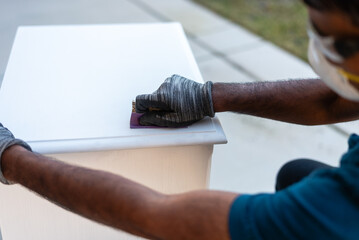
Freshly Cabinet Refinishing Modesto can completely transform the appearance of a kitchen, bathroom, or storage space. Smooth finishes, updated colors, and restored surfaces often make the entire room feel brighter, cleaner, and more modern. However, many homeowners focus heavily on the refinishing process itself and forget that long term maintenance is just as important.
Without proper care, refinished cabinets may lose their shine, develop scratches, or show signs of wear much sooner than expected. Understanding how to maintain cabinets after refinishing helps preserve their appearance, extend their lifespan, and protect the investment made in the renovation.
Why Cabinet Maintenance Matters After Refinishing
Cabinets experience constant daily use in most homes. Kitchen cabinets especially are exposed to grease, moisture, heat, fingerprints, food splatter, and repeated opening and closing throughout the day. Even the highest quality refinishing work can begin to deteriorate if cabinets are not cleaned and maintained properly.
The refinishing process creates a fresh protective layer over the cabinet surface, but that layer still requires ongoing care to remain durable. Small maintenance habits help prevent scratches, staining, discoloration, and premature peeling that can affect both appearance and functionality over time.
Maintaining refinished cabinets also helps preserve the overall atmosphere of the room. Clean and well cared for cabinetry keeps kitchens and bathrooms looking polished and organized while supporting the long term value of the home.
Routine care does not need to be complicated, but consistency is important for preventing long term wear and maintaining the quality of the finish.
Allowing Cabinets to Cure Properly
One of the most important steps after cabinet refinishing is allowing adequate curing time before regular use. Many homeowners assume cabinets are fully ready once the paint or stain feels dry to the touch, but curing often takes much longer than basic drying.
Fresh finishes continue hardening and strengthening over several days or even weeks depending on the type of paint or coating used. During this period, the surface is more vulnerable to scratches, dents, and fingerprints. Heavy use too soon after refinishing may permanently damage the finish before it fully hardens.
Cabinet doors and drawers should be opened gently during the curing stage. Avoid slamming doors, hanging wet towels, or placing heavy objects against freshly refinished surfaces. Maintaining proper airflow and moderate indoor temperatures also helps coatings cure more evenly.
Patience during the curing process significantly improves the durability and lifespan of the refinished cabinets.
Cleaning Cabinets the Right Way
Regular cleaning is one of the most important parts of cabinet maintenance. Dust, grease, fingerprints, and food residue can build up gradually and affect the appearance of the finish over time. However, using harsh cleaning methods can damage the surface and reduce its durability.
Soft microfiber cloths are usually the safest option for routine cleaning because they remove dirt without scratching the finish. Mild soap mixed with warm water is often enough to clean most cabinet surfaces effectively. Gentle wiping helps remove grease and residue while protecting the protective coating.
Strong chemicals, abrasive scrubbers, and rough cleaning pads should be avoided because they may dull the finish or cause visible scratches. Bleach based products and ammonia cleaners can also weaken paint or stain over time.
Drying cabinets after cleaning is equally important. Excess moisture left on the surface may seep into seams or edges and contribute to peeling or swelling later.
Preventing Moisture Damage
Moisture is one of the biggest threats to refinished cabinets, especially in kitchens and bathrooms. Water splashes around sinks, steam from cooking, and humidity buildup can gradually weaken finishes and damage cabinet materials if not addressed properly.
Wiping up spills immediately helps prevent moisture from soaking into seams or corners. Areas around sinks and dishwashers should receive extra attention because these locations experience the highest exposure to water and humidity.
Proper ventilation also plays an important role in cabinet maintenance. Using kitchen exhaust fans while cooking helps reduce grease and moisture buildup on cabinet surfaces. Bathroom ventilation systems similarly help control humidity levels that may affect cabinetry over time.
Protecting refinished cabinets from excessive moisture significantly extends the lifespan of both the finish and the cabinet structure itself.
Protecting Cabinets From Heat and Sunlight
Heat exposure can gradually affect refinished cabinet surfaces, especially near ovens, stovetops, and other cooking appliances. Constant heat may cause finishes to fade, dry out, or weaken over time. Installing heat shields near appliances can help reduce direct exposure and protect nearby cabinet surfaces.
Direct sunlight is another common source of cabinet discoloration. Ultraviolet rays can fade paint and stain finishes gradually, particularly on cabinets near large windows or glass doors. Lighter colors may yellow while darker finishes may lose depth and richness over time.
Using curtains, blinds, or window films can help reduce prolonged sun exposure and preserve the appearance of refinished cabinetry. Rotating decorative items or adjusting lighting conditions may also help prevent uneven fading in specific areas.
Controlling heat and sunlight exposure helps maintain consistent color and finish quality throughout the cabinets.
Handling Cabinet Doors and Hardware Carefully
Cabinet hardware and hinges experience constant movement, which means proper handling is important for long term maintenance. Slamming cabinet doors places unnecessary stress on hinges and may cause paint around edges to chip or crack.
Soft closing hinges are a popular upgrade because they reduce impact and help protect refinished surfaces from repeated force. Tightening loose hardware periodically also prevents shifting or rubbing that may damage the finish around handles and knobs.
Fingerprints and oils from hands often accumulate around cabinet pulls and frequently touched areas. Cleaning these spots regularly helps maintain a cleaner and more polished appearance.
If hardware becomes damaged or outdated over time, replacing it carefully helps preserve the appearance and functionality of the refinished cabinets without requiring additional refinishing work.
Avoiding Scratches and Surface Damage
Even durable cabinet finishes can become scratched if surfaces are not treated carefully. Sharp objects, heavy cookware, and rough cleaning tools may all damage the finish and expose the underlying material.
Cabinet doors should not be used to support heavy weight or leaned on excessively. Objects stored inside cabinets should also be placed carefully to avoid hitting or scraping interior surfaces repeatedly.
Pets and children may unintentionally contribute to scratches or dents, especially in lower cabinet areas. Protective pads and gentle handling habits help minimize accidental surface damage over time.
Addressing small scratches quickly can also prevent larger problems later. Minor touch ups performed early often blend more easily into the finish and help preserve the overall appearance of the cabinetry.
Maintaining Painted Versus Stained Cabinets
Different refinishing styles require slightly different maintenance approaches. Painted cabinets are often more vulnerable to visible scratches and chips because the painted surface sits on top of the cabinet material. Gentle cleaning and careful handling are especially important for maintaining smooth painted finishes.
Stained cabinets tend to highlight natural wood grain and may conceal minor wear more effectively. However, stained wood can still fade or dry out if exposed to excessive sunlight or moisture over time.
Protective topcoats help improve durability for both painted and stained finishes. Periodic inspection helps identify areas where the protective layer may be wearing down. Addressing these areas early helps preserve the appearance and strength of the refinished surface.
Understanding the type of finish used on the cabinets helps homeowners choose the most effective maintenance routine for long term care.
The Importance of Routine Inspections
Regular inspections help identify small issues before they become larger and more expensive problems. Homeowners should periodically check cabinet edges, corners, hinges, and high traffic areas for signs of wear, moisture damage, or peeling.
Early warning signs such as bubbling paint, loose hardware, or fading finishes can often be corrected with minor maintenance if addressed quickly. Ignoring these small issues may eventually require additional refinishing or repairs later.
Inspecting cabinets after seasonal humidity changes is especially important because moisture fluctuations may affect wood expansion and finish performance. Kitchens with heavy daily use may also require more frequent attention and maintenance.
Routine inspections support the long term durability of refinished cabinets and help maintain their appearance consistently over time.
Extending the Life of Refinished Cabinets
Long lasting cabinet refinishing results depend on a combination of proper care, preventive maintenance, and gentle daily habits. Consistent cleaning prevents buildup from becoming difficult to remove while reducing long term wear on the finish.
Maintaining stable indoor humidity levels also helps protect cabinet materials from expansion, shrinking, or cracking. Using exhaust fans, dehumidifiers, or proper ventilation systems contributes to healthier cabinet conditions throughout the year.
Touching up small chips or scratches quickly prevents further deterioration and keeps the cabinets looking fresh longer. Professional maintenance or refinishing touch ups may occasionally be necessary after many years of heavy use.
With proper care, refinished cabinets can remain attractive and functional for many years while continuing to enhance the appearance of the kitchen or bathroom.
Conclusion
Maintaining cabinets after refinishing is essential for protecting their appearance, durability, and long term value. Freshly refinished cabinets can dramatically improve the look of a space, but proper care is necessary to keep them looking polished and modern over time.
Simple maintenance habits such as gentle cleaning, moisture control, careful handling, and regular inspections help preserve the finish and prevent unnecessary wear. Protecting cabinets from heat, sunlight, and scratches further extends their lifespan and reduces the need for future repairs.
Refinished cabinets represent both a visual upgrade and an investment in the home. By following proper maintenance practices, homeowners can enjoy beautiful, durable cabinetry that continues to enhance the space for years to come.